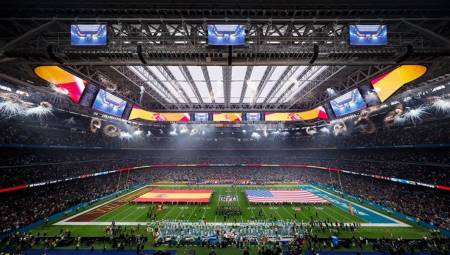

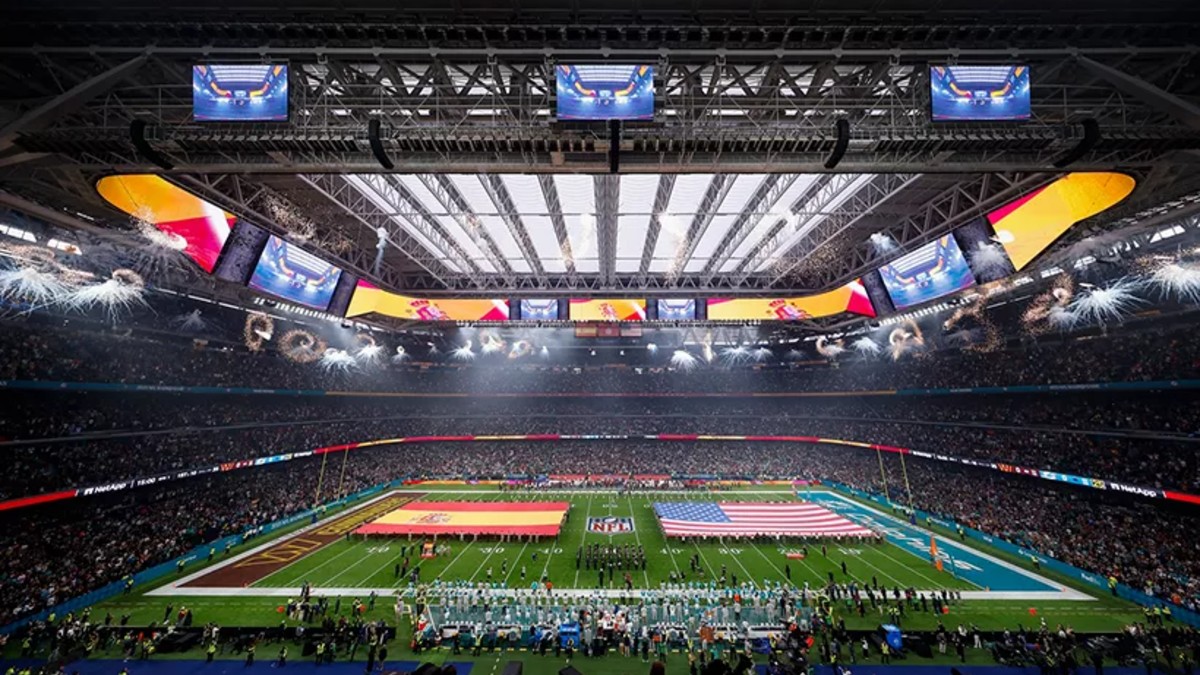
Spain. The Santiago Bernabéu Stadium, home of Real Madrid, is once again at the centre of the debate on the management of large-scale sports infrastructures.
A new analysis proposes a Facility Management proposal for the emblematic Madrid venue, today considered a paradigmatic case due to its operational complexity, its multifunctionality and its urban impact.
The document, signed by Gertrudis Bujalance, highlights that Facility Management in the sports field represents one of the greatest challenges within the management of real estate assets. In the case of the Bernabéu, comprehensive management is not limited to the physical maintenance of the stadium, but involves efficiently coordinating the sports competition, mass public visits, continuous commercial operation and the holding of corporate events and shows.
According to the analysis, management in elite sport configures a hybrid discipline in whichengineering, hospitality and risk control converge. The Madrid stadium exemplifies how operational excellence can be turned into a tangible competitive advantage, by protecting a heritage asset while maximizing its economic and social performance.
Four strategic axes
The management proposal for the site is structured in four fundamental vectors. The first is continuous operation seven days a week, as the stadium maintains permanent commercial activity through its official store, the museum and the gastronomic offer.
The second axis is energy sustainability. After its refurbishment, the stadium incorporated geothermal air conditioning systems and photovoltaic panels that require specialized monitoring and advanced technical management.
Thirdly, the user experience stands out, which requires frictionless access technologies, high-capacity 5G connectivity and intelligent video surveillance systems to ensure security and fluidity in the operation.
Finally, operational resilience is considered a critical component. With capacities close to 80,000 spectators, any incident can escalate quickly. In recent years, the stadium has also been the subject of headlines related to complaints from residents about the acoustic and operational impact on the Chamartín neighbourhood, which adds an additional dimension to management.
Technology and international standards
The proposed model contemplates the implementation of predictive maintenance through digital twins of the building, which would simulate structural wear and tear, optimize electrical consumption and schedule interventions without interfering with the sports and entertainment calendar.
Likewise, the management of critical suppliers – such as security, cleaning and catering – would operate under strict service level indicators (SLAs), aligned with UEFA regulations.
In terms of standards, LEED certification and ISO 41001 are indicated as reference frameworks to systematize processes and guarantee sustainability and efficiency. However, the analysis stresses that the uniqueness of the Bernabéu requires personalised protocols, ranging from the conservation of hybrid turf to the ability to transform the pitch into a musical stage in less than 48 hours.
The proposal reinforces the idea that, in sports infrastructures of this magnitude, Facility Management is an operational function and a strategic element to ensure competitiveness, reputation and long-term sustainability.