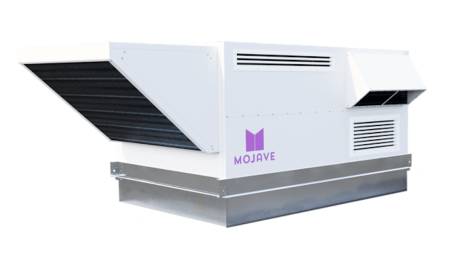

 As "tasters" of good food, rarely pay attention to the importance of ventilation systems in commercial kitchens: extractor, injector and filters. Likewise, only sometimes are these teams associated with the success or failure of the kitchens. The function of this system is none other than to ensure that meals are free of impurities generated by the cooking of food or the heat produced by kitchen equipment.
Therefore, they are necessary to ensure adequate sanitary conditions in the cooking process.
Hygiene and cleanliness of the kitchen are some of the advantages obtained by choosing the right ventilation system. However, the correct selection of equipment is determined by the amount and type of contaminant produced by the kitchen, plus the amount of air required to achieve good extraction.
"You must know the type of contaminant produced by the kitchen and thus choose the right filter. The pollutant produced by a fryer is not the same as an oven for heating pizzas. With the type of particle that is generated in cooking, you can choose between baffle type filters that eliminate 30% of contaminants, or type X tractor filters that eliminate up to 60% of contaminants.", said Orlando Fonseca, engineering manager of Sica, Strong International Central America, a company dedicated to the development of commercial and applied air conditioning products, commercial refrigeration, ventilation, fire protection systems and related areas.
Fats, flammable in kitchens
Safeguarding the physical integrity of those who work in these spaces must become the priority of those who seek to have an adequate ventilation system. This is demonstrated by the changes that the industry has registered in this aspect.
Installing extraction hoods without grease filters can result in an imminent fire, as well as the use of non-certified grease extractors or the use of improper materials in the extraction ducts.
Because it is a flammable component, this expert said that the places where grease is produced must capture the attention of the sector to achieve a kitchen design with high standards of safety and efficiency.
The ABCs of the system
To choose the extractor, it is necessary to know the route that the pipeline must make to reach the outside. In this case it is recommended to use the Up Blast type, Greenheck CUBE or CUE reference, and the Utility, Greenheck SWB models, because the air must leave the extractor with enough speed to beat the wind, move away from the ceiling or walls, dilute the grease in the air and thus reduce the risk of fire.
Regarding injectors or fans, their effectiveness depends on the ability they have to carry the least amount of dust or contaminants to the kitchens. For this purpose, the most used within the industry are the RSF or the Greenheck BSQ type.
If we talk about bells, those that are installed on the wall are the most commonly used because the latter serves as a barrier against horizontal air currents, which in case of being very high promote the exit of contaminated gases.
Choosing a correct ventilation system then implies taking into account different variables that, in addition to guaranteeing a good meal, achieve adequate safety conditions. Among them, effectively evacuate pollutants, in addition to having the minimum amount of air required for the extraction and ventilation of the space.
Expect full article in the next edition of Hotel Management.