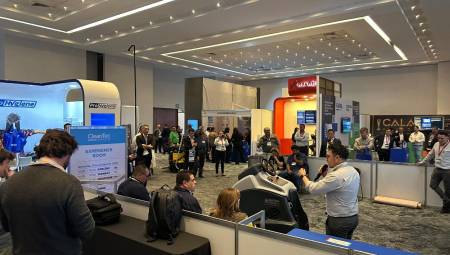

 The current model of office work is migrating towards a much more flexible methodology and this trend is "irreversible", said David Abrahams, director of Global Key Accounts Spain and Portugal of Regus, during the Workplace Innovation forum, which was organized by the Spanish Society of Facility Management (IFMA).
This change is driven by multiple factors, including real estate costs, sustainability, transportation and culture.
According to Abrahams, "the future model is one of three steps: fixed, flexible and mobile, and the change to that model translates into results in terms of significant savings for the company, given that real estate costs are usually the second most important item for the company, better balance between work and personal life for employees, and a significant reduction of CO2 footprint for the environment".
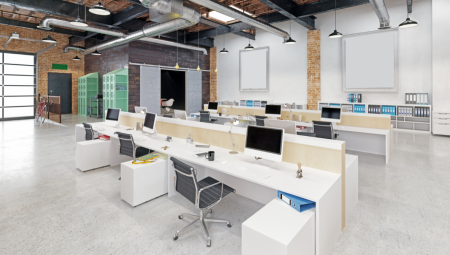
As explained by the manager of Ofita in Madrid, Jonatan Molina, this new modality of work is also transforming the concept and design of the offices. For example, the personalization of the workspace along with the increase in work flexibility will transform offices into more human spaces that favor social interaction. And cloud computing, wireless communication and the proliferation of all types of screens are configured as the most relevant technological elements in this transformation.
According to this study by Ofita, the most advanced companies will implement – and are already implementing – a cellular organization, based on very autonomous work teams that favor collaboration, creativity and co-responsibility of its members. The currently dominant hierarchical organization will be blurred to make way for a networked organization, as the importance of human capital increases, whose involvement requires a deep alignment with the values and social, sustainable and cultural philosophy of the company.