
 From the General Services Administration of the United States (GSA, for its acronym in English), through its Good Neighbor program, the decision has been made to give a different utility to federal buildings, taking better advantage of these structures that, in many opportunities, are underutilized.
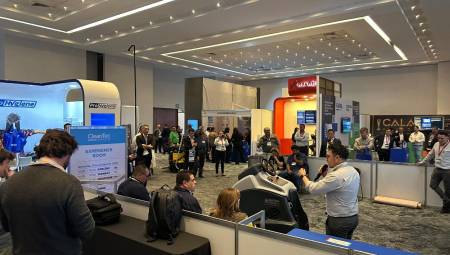
Some federal properties are available for community events such as local farmers markets, concerts, book reading, lectures, and much more.
"We have had weddings, aerial dance shows on the facades of the buildings, concerts, rural markets and even an insect museum. We've seen a wide variety of creative uses in federal buildings," said Frank Giblin, program director.
The program promotes the public use of federal property. It also coordinates with federal agencies and local communities to locate buildings in locations that minimize the environmental impact of displacement and offer easier access to a wide range of workers, including those in low-income areas.
Nonprofits and members of the public can use many of the 2,000 federal buildings in the country for community events for little or no cost.
Some of these buildings could include a historic site such as the James R. Browning Federal Court Building in San Francisco, a local Social Security office, or a Department of Veterans Affairs office. Or also lesser-known places like office buildings, warehouses and laboratories.
Events that last less than 30 days are typically free, unless the building incurs additional costs such as security, heating, air conditioning, and garbage collection. Commercial use is also available long-term in some federal business buildings such as restaurants and stores.
GSA works closely with local communities to ensure as much as possible that federal buildings are designed, constructed, restored and managed in such a way that emphasis is placed on environmental protection, for example they are buildings located with a view to minimizing travel times and distance for employees, choosing easily accessible places for public transport, bicycles and pedestrians. Shorter commutes and less need to drive for employees when going to work, protect the environment, reduce traffic congestion and contribute to not polluting the air.
"These are public buildings and we want to make sure that the actions we take as an agency keep the buildings as public as possible to provide great benefits to the communities," Giblin says.