
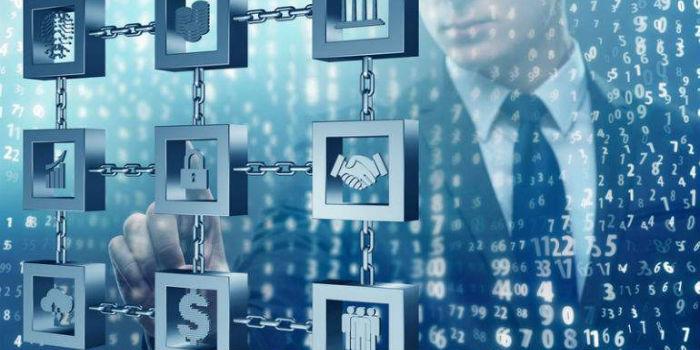
 International. Blockchain technology, which decentralizes processes and gives greater control and security to users, among other reasons because it makes the presence of intermediaries unnecessary, is already part of a new reality.
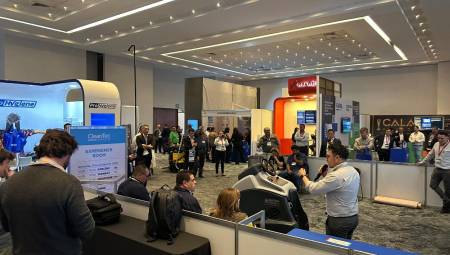
Its benefits were discussed at the conference 'The impact of technology and blockchain on Facility Management' organized by the Spanish Association of Facility Management, Ifma Spain.
The event featured the interventions of Teo Manzano, Director of Marketing and Product Development of Steelcase; Mónica Villas, Technical Executive of IBM; Víctor Sánchez, Blockchain Specialist at Indra and Pedro Sánchez Álvarez and Víctor Tomás, Business Analytics at CBRE.
Ifma Spain points out that at present the 'blockchain' is developed "in an increasingly globalized and changing market". There are several features that characterize the operations that resort to this type of transactions, such as the increase in them, as well as the projects that rely on this technology, in which "data and intelligent networks linked to innovation are the protagonists". In this environment, they warn from Ifma Spain, "those companies that do not innovate, face the prospect of disappearing".
In summary, blockchain technology saves time and costs, reduces risks and offers total transparency, since once the parties involved in the transaction give the go-ahead to the operation, it is carried out in real time and using consensual networks in which each of the participants endorse the veracity of the data, that are traceable.
Most of the speakers who participated in the day agreed on the synergies that are established between the blockchain and the service sector.
In general, all the invited speakers agreed on the importance of linking blockchain with the service sector. According to various estimates, "its use can offer a 30% reduction in backoffice costs and will represent approximately 10% of the global projected GDP in 2027", detail from Ifma Spain.
Application in various sectors
Its use is extended to multiple sectors: transport; mobile payment; traceability of donations in NGOs; bank transactions and credits; citizen participation; or even in the development of 'smart cities'. Although it is progressively gaining presence in various areas, banking and insurance are the main protagonists of the 'blockchain', "while the energy sector is being strongly incorporated into this model", list from Ifma Spain.
Another of the economic sectors in which the 'blockchain' is being incorporated "strongly" is real estate. During the day, reference was made to some of the current uses, such as contracting flows in shopping centers or the reservation and purchase process in residential homes. Likewise, some potential uses were pointed out "such as energy savings thanks to buildings that produce their own energy and can redirect their excess; flexspaces and coworking spaces; leases with a very short duration; or those factory sensorization projects to measure emissions in a reliable way."
The "youth" of the blockchain generates business opportunities and also the demand for professional profiles, highly demanded due to the scarce supply of specialists in this new discipline of information exchange.