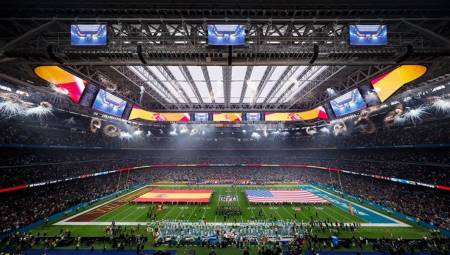

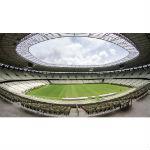
 Brazil. The Castelao stadium is the first of the stadiums of the World Cup Brazil 2014 that has been officially declared "green", according to the FIFA website. Located in Fortaleza, it obtained a certificate for its environmentally friendly practices.
The rational use of water, energy efficiency, internal environmental quality, use of materials with low environmental impact and the promotion of innovation are highlighted.
Of the twelve venues that applied for the leed (Leadership in Energy and Environmental Design) international certificate, the Fortaleza Coliseum is the first to receive.
For the architect David Douek, director of OTEC, the consultancy that collaborated with the project and work team to obtain the LEED environmental certificate, the most important thing is that the population knows about the concept of sustainability and its practical applications.
"Stadiums are an excellent opportunity to reach out to society. The World Cup is a sporting event with a great impact, and being able to associate it with the concern for sustainability is a way of showing that it is not something unattainable or isolated," he said.
In order to meet the requirements for obtaining the LEED certificate, the consumption of drinking water was reduced by 67.61%, which was achieved with the use of metals and water-saving technologies.
Other measures were the regulation of public transport, with a total of four bus lines to the stadium that exceed the minimum frequency of 200 trips, and an air conditioning system that does not use refrigerant gases with CFCs (chlorofluorocarbons), substances that cause the destruction of the ozone layer.
Smoking was also prohibited in all indoor areas of the enclosure and less than eight meters away from the air intakes of the buildings in the outdoor areas.
In addition, waste treatment areas were built, equipped to store recyclable waste (paper/cardboard, plastic, glass and metal).