
 Colombia. On July 10, Resolution 0549 of 2015 will enter into force, which will oblige housing constructions to comply with the parameters of environmentally friendly buildings and conform to the Sustainable Construction Guide for Water and Energy Saving.
The Ministry of Housing explained that the regulations offer tools for designers and builders to select measures to reduce water and energy consumption. This affects the design of the building and takes into account the type of construction and the climatic conditions of the municipality where the project will be built.
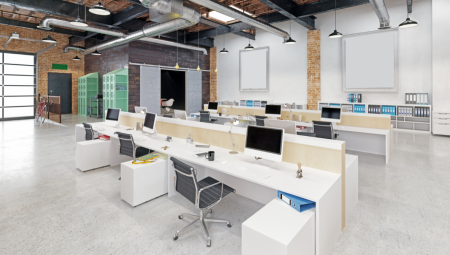
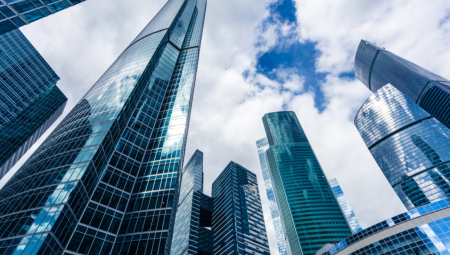
Alonso Cárdenas, director of Urban Space of the Ministry, stated that the intention is to guarantee efficient consumption of water and energy in housing constructions (No VIS, VIS and VIP), and also in shopping centers, offices, hotels and educational and hospital complexes.
"What the builders will have to do is apply the guide, which is not rigid, and fits various variables. The structuring of this regulation was done with the participation of entrepreneurs and what is guaranteed is that construction costs do not increase. If that happens, it would be a minimal increase," the official told local media.
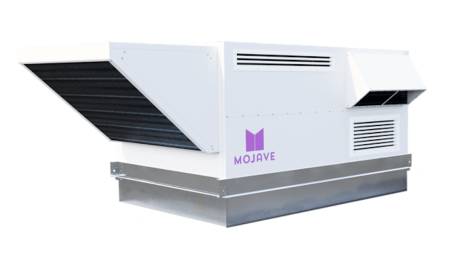
He also insisted that there are no requirements on the use of special equipment or apparatus. "The idea is to get a better out of the climate. The benefit for the user will be greater comfort and society will gain a lot because this type of measures are part of the efforts made by the planet to reduce the emission of gases".
The bases of the Resolution were tied to the climatic conditions (temperature and relative humidity) of each area of the country, since this is the most determining factor in the consumption of water and energy. The most commonly used construction systems and the usage profiles (schedule, occupation, lighting system, air conditioning mechanism), characteristic according to the type of building, were also estimated. The standard proposes the application of active measures such as the use of mechanical or electrical systems to create comfort conditions in buildings and passive measures that can be incorporated into the architectural design, to take advantage of the environmental conditions of the environment.