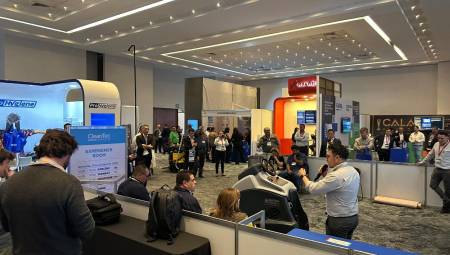

 Mexico. The US Green Building Council (USGBC) announced the winners of the 2018 Greenbuild Leadership Awards. César Ulises Treviño, Carrier and FINSA were honored at greenbuild Mexico's inaugural conference in Mexico City during the Closing Plenary. The Leadership Awards recognize outstanding individuals and organizations at the forefront of the green building movement.
"Mr. Treviño, Carrier and Finsa have helped pave the way for green building in Mexico and their work inspires others to discover the power of green building to help improve lives and support local economies," said Mahesh Ramanujam, president and CEO of USGBC and Green Business Certification Inc. (GBCI)) "Worldwide, Greenbuild is recognizing extraordinary leaders, like them, who are driving the green building movement in their market. His work and that of others across the country is helping to position Latin America as a new hub for ecological activity. "
This year's Leadership Award winners have made significant strides in supporting the transformation of Mexico's built environment:
César Ulises Treviño, CEO of Bioconstruccion & Energía Alternativa (BEA), is the founder and former CEO of the Mexican Green Building Council (GBC). Treviño was also the first Latin American representative on GBC's Global Board of Directors and the first LEED Fellow in Latin America. His company has more than 50 sustainable projects that have been certified through programs, including LEED, EDGE and WELL.
Carrier was the first member of the USGBC and a founding member of SUMe. With four LEED Gold projects, Carrier has more than 1.5 million gross square feet of certified space in Mexico. Carrier is one of the few product manufacturers in Mexico that produces products in a LEED-certified factory that can be part of a LEED building.
FINSA has been part of the LEED Volume program since 2016 and has 17 certified projects in Mexico, making them one of the largest national developers to adopt LEED. The company is working to design a new LEED-certified building inventory to reduce more than 50 percent of total water consumption, reduce energy by 20 to 30 percent, and use lower chemical pollutants to improve indoor air quality.