
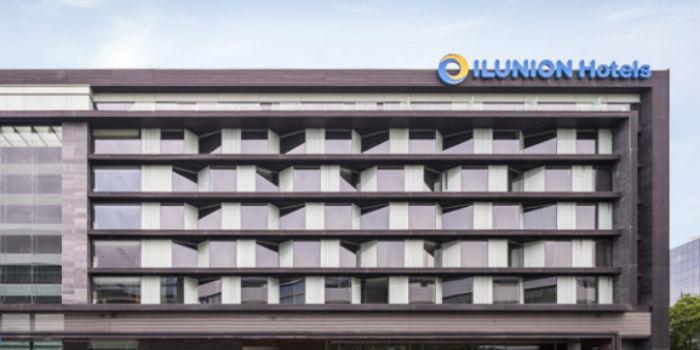
 International. The development of technology has helped and facilitated the day to day of people with intelligent cleaning robots, with security systems controlled by the mobile, among others. Ilunion Hoteles wanted to take advantage of this technology based on the IoT to offer a domotic room that facilitates the stay of people with disabilities or the elderly.
One of the characteristics of Ilunion Hotels is that its hotels have a 'design for all', or what is the same, universal accessibility. This concept has provided them with the universal accessibility certificate (UNE 170001-2). But now they have taken a step further with the implementation of home automation systems in the rooms.
The client finds universal accessibility the moment he arrives at the door of the room. To access, the hotel company has incorporated a lock with proximity key, which automatically opens the door so that people in wheelchairs can access without having to push the door.
Voice, light and sound
People who are blind or visually impaired will be able to activate the smart TV through voice commands, which will make it easier for them to turn the TV on or off, increase or decrease the audio, as well as change the channel.
To ensure the safety of guests, the hotel has incorporated a lighting doorbell located inside the room and in the bathroom, to offer visual information to the hearing impaired. This signal emits three types of illuminations: the green color means that they are knocking on the door of the room, the blue color warns that the phone is ringing and the red color warns that there is an emergency in the facilities.
But the light doorbell also works as a beacon. In the shower, a series of sensors has been installed that detects when a person suffers a fall and automatically activates the beacon that emits a sound, loud enough, to be heard from outside the room and be able to help the person. At the same time, the beacon makes a pop-up message to the reception and another to the phone of the head of department to ensure the attention of the user.
Presence sensors
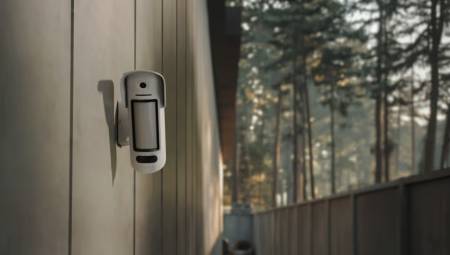
The bathroom door opens with a sensor, which when the hand is approached is activated. This room is diaphanous so that the fall protectors can detect the person in any part of the bathroom. At the entrance there are two sensors, one upper and one lower, which record the customer when he enters and leaves the bathroom. The moment the sensor detects that the person has entered but has not left, it interprets that he has suffered a fainting or a fall and activates the emergency protocol, with a warning to reception.
The shower screen is activated by two buttons to lower or raise it. The bathroom is complemented by a full-length hairdryer, located next to the shower. This dryer has two modes of activation: the first is with presence sensors, which when detecting the person is put into operation; the other system is the classic switch.
Complements to security
In the door they have incorporated an electronic peephole so that customers with visual problems can identify well the people who knock on the door. Also, the phone is connected to an assistance collar, similar to the telecare collar, so that if the guest needs help just press the button on the collar and it will give a notice to reception. The hotel staff will call the room to find out about the problem.
Other adaptations
The room has installed motorized beds that rise to facilitate the incorporation of the person or to accommodate when watching television. In addition, the tables have an edge to prevent personal belongings from ending up on the floor.
In the closets there is a folding bar and a long stick hanger to have access to clothes. They are complemented by lower shelves to ensure accessibility. The minibar door is bolted to the furniture door for easy opening.
Currently, the Atrium hotel in Madrid is the only hotel of the company that has this room. The company is analyzing how to introduce this technology in the rest of the rooms, so within a few years, all hotels in Ilunion will be domotic.