
 Colombia. Thanks to technological changes in the vertical transport industry, the energy consumption of elevators was reduced by up to 50 percent. The implementation of variable speed drives, for 30 years, made energy efficiency reduce by up to half the consumption of this resource in vertical transport systems.
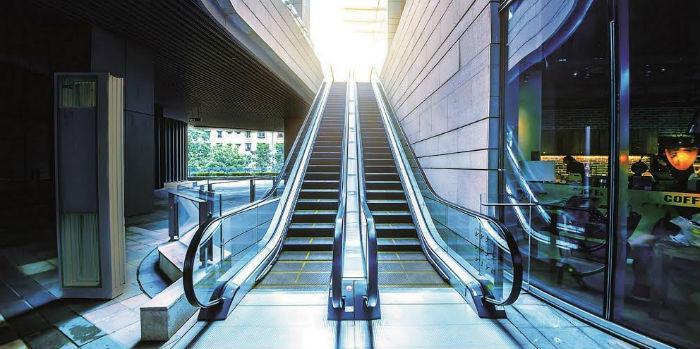
A decade later, the same change was made in the escalators, with even more satisfactory results, up to 70 percent in energy savings.
Given the current conditions of our planet, the care and conservation of resources are a constant concern that does not discriminate any sector of the industry while all these seek the way to make their activity more friendly to the environment.
"For example, our Kone Style equipment, a world leader in energy efficiency applied to vertical transport, installs the most efficient permanent magnet motors on the market in elevators. These engines known as Ecodisc do not use polluting gears or lubricants and also produce low levels of noise and vibration," said Engineer Jairo Castro, Commercial Manager of the NEB Area (New Equipment Business) Engineering Style.
Today elevators and escalators are not only lighter, but also the load requirements on building structures and the demands of installed electrical capacity have decreased. This has been thanks to the development of new materials, which has made it possible for the different systems for vertical transport to be manufactured with less weight and less space, while offering greater safety and reducing energy consumption to the maximum.
The increase in horizontal ownership in cities is undeniable. In Bogotá, for example, currently 70 percent of homes are of this type, which also implies a greater use of elevators. Even in old constructions it is possible to apply energy efficiency, as explained by the engineer Castro "in order to improve the efficiency in the constructions, regardless of their age or time of operation, the administrations of the buildings can change the lighting of the elevator cabins to systems with LED technology. In very recent elevator cabins perhaps this change is already incorporated from the factory."
It is also feasible to apply to old elevators a technological update to their control system that allows the use of variable speed drives that optimize energy consumption. It is feasible to use synchronous motors of permanent magnets and direct traction, which allow the elimination of gearboxes with gears, which implies a 35 percent saving in energy consumption.
Another action that contributes to energy efficiency is to use fewer components and lighter materials. For example, the use of plastic pulleys in elevators became the industry standard, something that was unthinkable a few years ago. As for escalators and electric ramps, low-traffic detection systems can be added that reduce the speed of operation of the equipment when it is not in use.
Going forward, sectors are on track to continue good practices for energy efficiency. For this, technology and innovation are key factors in environmental sustainability. The technological advances of the vertical transport industry are projected to 35 more years, so you have to be prepared and constantly evolving.