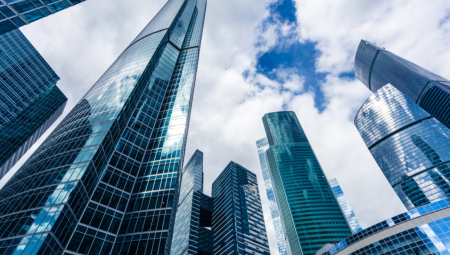

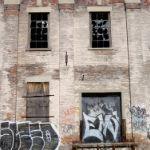
 A large number of half-finished, uninhabited and underused buildings invade Ciudad Juárez today, becoming a plague that consumes the economic resources of the city and its inhabitants.
According to Leticia Peña, a researcher at the Autonomous University of Ciudad Juárez (UACJ), these buildings drain the budgets of companies and governments on duty without achieving the objectives for which they were built. Many of these buildings are works designed as a façade to launder drug money, says the expert.
For his part, Agustín González Medrano, a former public official, and an active member of the College of Architects of Ciudad Juárez and the Planning Council of the city, explains that this phenomenon is profoundly influenced by factors such as uprooting, lack of love for the city and the "pairing" with a desire for profits between politicians, officials at various levels and a sector of local and foreign business that intervenes in decisions.
As González puts it, "the most absurd thing is that because of this vocation to destroy to build, in Juárez we often waste buildings that were born or became 'white elephants' in the past, and that with a good remodeling today could be used without problems; instead we throw them away to build new 'white elephants', and all this is given on a whim or for economic or political interest, always passing over specialized opinions."