
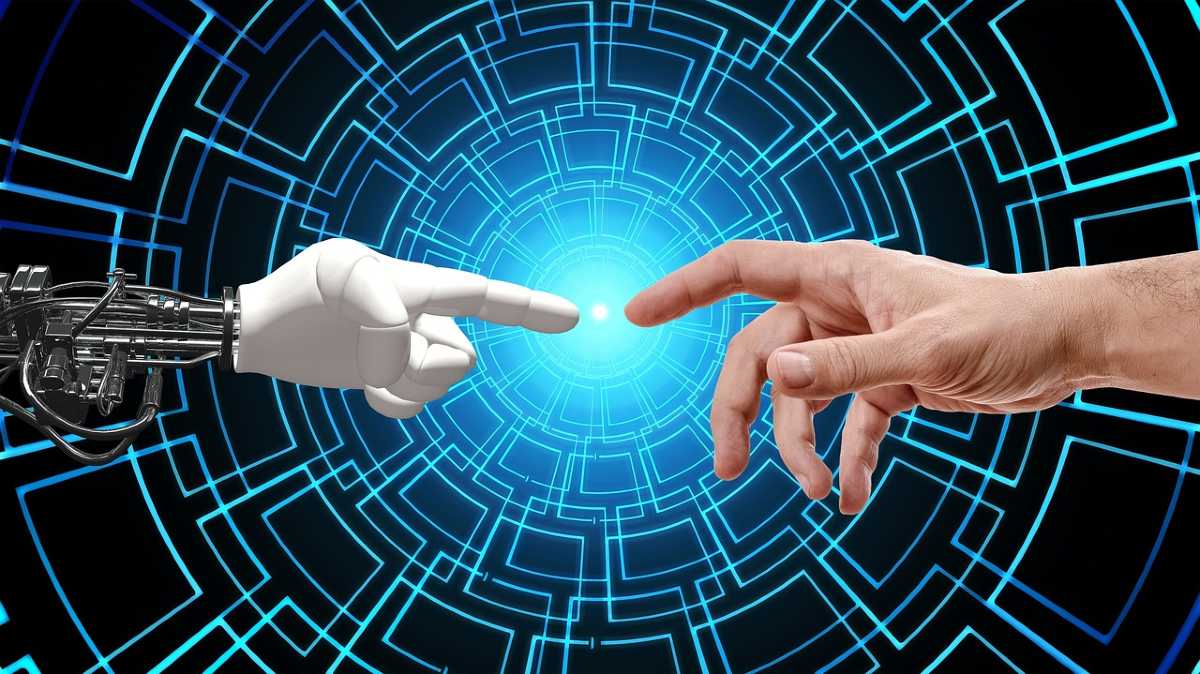
This growth in cobotics drives operational efficiency and fosters a more dynamic work environment, where human-robot collaboration maximizes productivity and boosts process innovation.
by Lesly Gantenbein*
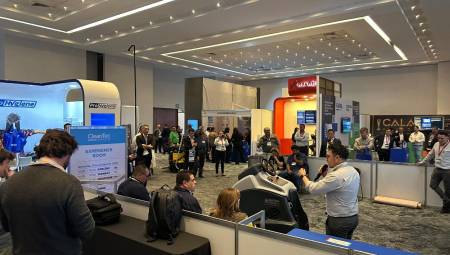
In a presentation I gave in Mexico, I explored the evolution of robotics and its profound impact throughout history to the present day. I talked about how, in amazing and sometimes hard to believe, robotics has become integrated into our everyday lives. This process, although it may seem implausible, has become a reality that is transforming the way we work and collaborate.
But, as usual, before we dive into the subject, let's briefly talk about the story and relive those fascinating moments that have made a significant impact on our journey. Thanks to them, we are where we are today, and it is important to remember that we will continue to evolve incessantly. In the end, human beings have shown that they have no limits.
Modern robotics finds its origins in Heron of Alexandria, who was an engineer and mathematician of the first century AD. His legacy includes innovations in mechanics and optics, most notably the creation of the first steam engine and amazing automaton devices that laid the foundation for the technology we know today.
Among them, we will mention the most relevant and then give way to other more significant ones:
• Heron designed a theatrical automaton capable of representing scenes and movements by means of a system of ropes and pulleys, driven by the flow of water or weights. These devices were precursors of programmed control mechanisms.
• Heron invented automatic systems for opening temple doors through the use of heated air and counterweights, and also created mechanisms for dispensing water or wine into rituals, using hydraulic and pneumatic principles.
• In the fifteenth century, the figure of Leonardo da Vinci (1452-1519) emerged, an Italian Renaissance polymath famous for her mastery of painting, sculpture and science. Author of masterpieces such as 'The Mona Lisa' and 'The Last Supper', he also made significant contributions to engineering and anatomy. In 1495, he designed a knight-shaped automaton capable of basic movements, considered one of the first steps towards robotics
• In 1961, Unimate, the first industrial robot, made its debut on a General Motors assembly line, marking a milestone in automation and transforming the manufacturing industry forever
• In the 1990s, research in artificial intelligence and robotics gained new momentum, leading to major advances in autonomous robots, service robots, and space exploration, such as robotic vehicles sending them to Mars!
The Robotic Revolution: Key Factors in the Accelerated Growth of the Industry
Robotics is experiencing steady and accelerated growth, driven by advances in artificial intelligence, automation, and sensor technology. This growth is transforming diverse industries, from manufacturing to healthcare to logistics. Considering the key growth factors, these are
* Optimization through automation: robotics transforms the execution of repetitive and dangerous tasks, increasing efficiency and safety in the work environment.
* Artificial Intelligence: autonomous robots that can learn, make decisions and adapt to variable environments, revolutionizing the way we operate and live.
* Advances in Sensors and Control: Innovations in this technology have improved the accuracy of robots and their ability to interact more naturally and effectively with people and their environment.
Impact of growth
The growth of cobotics is causing a profound change in various industries. In the manufacturing industry, collaborative robots are transforming production by performing tasks with speed and accuracy, which not only increases productivity, but also reduces human error.
In the healthcare sector, the incorporation of surgical robots and advanced healthcare systems is revolutionizing patient care, allowing for more precise procedures and more personalized follow-up. In logistics, cobotics optimizes inventory management and distribution, automating processes that were previously time-consuming and resulting in a more agile and efficient operation.
In addition, in the cleaning sector, we observe a clear fusion between humans and robots in collaborative spaces, which allows for effective maintenance of areas. This not only streamlines processes and ensures high-quality cleaning, but also contributes to sustainability by reducing resource consumption, centralised according to the type of machinery in air quality, as well as minimising environmental impact and centralised in areas of greatest demand.
This growth in cobotics drives operational efficiency and fosters a more dynamic work environment, where human-robot collaboration maximizes productivity and boosts process innovation.
The world changes, human beings change and life evolves; This transformation had already been mentioned in the past. The 'tools' simply did not exist or were in the process of being developed. Which leads me to mention Isaac Asimov, a prominent American writer and biochemist famous for his science fiction, referring to the Three Laws of Robotics; where it clearly gives us a perspective on the fusion between the human being and robots where limits, ethics, roles and responsibilities are established, these being
* First Law: A robot must not harm a human being or, by inaction, allow a human being to be harmed.
* Second Law: A robot must obey orders given by human beings, except when such orders conflict with the First Law.
* Third Law: A robot must protect its own existence as long as this protection does not conflict with the First or Second Law.
Cobotics could reach 100% efficiency, but it will always lack essence and soul to be truly perfect. At the end of the day, coexistence is based on respect and love for life as well as gratitude for who we are and sustainability will depend only on how we foster this healthy culture not as a "Trend" as an existing need
 * Lesly Gantenbein
International Consultant
Property & Facility Management