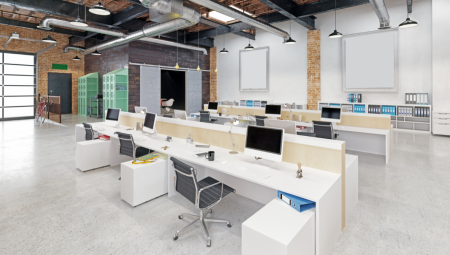

 International. A report highlights the transformation and technological evolution that workspaces have experienced in recent times and points out which are the main cyber threats that call into question the security of corporate information in the smart office.
"Digitalization has not only changed the way we work, but it has also transformed the environments in which we carry out our work activities. In this sense, technological innovation has also reached jobs, turning them into Smart Offices, "says Eusebio Nieva, technical director of Check Point for Spain and Portugal. "The fact that we have more and more technological tools around us brings innumerable benefits, but it also brings with it risks in terms of cybersecurity, so it is essential to know them and be prepared to fight them," adds Nieva.
More and more functionalities and electronic devices are connected and managed through the company's network. For this reason, the main risks for Smart Offices according to Check Point are:
1. Physical security: Many offices have an internet access system that can be used from any location. Hacking these types of systems is a relatively simple task for cyberattackers, allowing them to take full control of a physical space through the digital world. In this sense, once they have the command, the cybercriminal could access the premises without permission, prevent access to the office to anyone, or even prevent any employee or visitor who is inside from leaving.
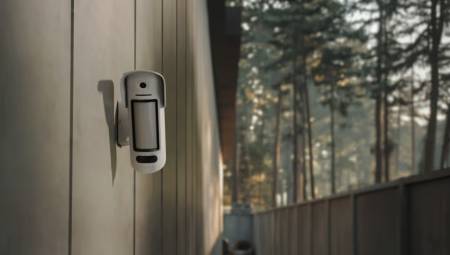
2. Hacking of surveillance and security systems: Surveillance video cameras, fire protection systems... there are many security and surveillance systems with which smart offices are equipped. Through the hacking of these technological tools, a cybercriminal can have access to a large amount of information by monitoring the activity of the people who are in the office (hours of maximum influx of personnel, time slots in which there are fewer people or the office is empty, personalized follow-ups, etc.).
In addition, it would be possible to control other systems such as the fire alarm, so an attacker could activate or deactivate it at will, thus causing false alarm situations, generating confusion and interruptions in the company's services.
3. Information theft: Networks increasingly have a greater number of interconnected IoT devices, through which a large amount of information is shared. A clear example is Smart TVs, which thanks to the connectivity and functionalities they offer, can be used to extract sensitive data (when conducting videoconferences, for example) through the microphone or, in some cases, the built-in camera. The same happens with other devices such as voice assistants, since once hacked they can allow the cybercriminal to listen to private conversations, obtain sensitive information about the company, etc. In this way, a seemingly innocent element can be used to meddle in our private or professional sphere.
"The vast majority of companies make a very marked commitment to the implementation of technological tools in all areas of the company, which implies a development in everything that surrounds us, even in physical environments such as offices. However, it is essential to be aware that a large part of the devices that drive the technological transformation of offices hardly have security measures, so they are highly vulnerable to cyberattacks, something that constitutes a high risk for corporate security, "concludes Eusebio Nieva.
Check Point, for its part, works on the development of technological solutions with the aim of enhancing the cybersecurity strategy of companies around the world. In this sense, the company has Infinity, Check Point's fully consolidated cybersecurity architecture that protects all areas of modern IT departments, including network, endpoints, cloud and mobile devices.