
 International. The lack of regulations for the control of humidity in public buildings and the subsequent impact on the possible transmission of the coronavirus and the impact on health are aspects analyzed by Oliver Zimmermann, CEO of Grupo Condair. Here are your considerations:
Due to the lack of adherence to current regulations on indoor air quality (IAQ) in public buildings, their occupants and visitors are more vulnerable to infections by viruses, such as coronavirus and influenza. Recent research has shown that keeping iaq above 40% Relative Humidity (RH) reduces cross-viral infections. However, obsolete regulations or the lack of compliance with them on the subject, cause that every winter buildings such as hospitals, offices and schools have low HR levels and therefore represent a risk of contagion for their occupants.
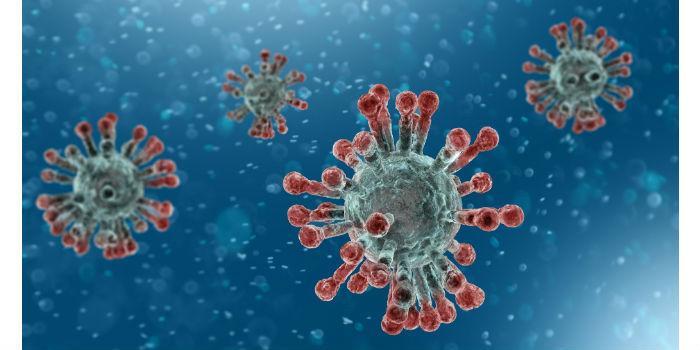
Studies such as that of Casanova et al 20101 have specifically explored the role of humidity in the transmission of the coronavirus. The results showed that the coronavirus inactivated faster when exposed to mid-range (50%RH) humidity, compared to dry (20%RH) or very humid (80%RH) air. From the 40s to date there is a lot of research, which indicates that an indoor humidity of 40-60%RH has a positive impact on the decrease of cross-infections and the susceptibility of people to viruses. Together with Casanova et al 2010, information from 25 other similar studies can be found on our website, condair.mx.
The construction sector accepts an indoor humidity level between 40 and 50% as the best practice, and many professional organizations endorse in their recommendations an average humidity level for health. However, there are no official regulations that establish an acceptable range of indoor humidity for public places. Therefore, building designers, motivated to reduce energy consumption and costs, do not usually include humidity control in their plans.
The seasonality of viruses, such as coronavirus and flu, are further evidence of the role of moisture in their transmission. The increase in infections in winter corresponds to much drier indoor air. Strategies to contain the spread of the virus frequently set out the assumption that infections will likely decrease as warmer weather returns, and indoor humidity levels naturally return to a mid-range of 40-60% RH. It doesn't have to be this way! Healthy indoor humidity can be maintained during the winter if buildings incorporate humidification as part of their ventilation system. This would significantly reduce the transmission of seasonal diseases and save thousands of lives around the world each year.
Recommendations to mitigate the risk of coronavirus contagion are largely focused on hand hygiene and avoiding sick people. However, cross-infection of viruses occurs both by physical contact and through the air. As the general public is largely unable to control air quality to decrease infection, governments omit such recommendations.
The responsibility for managing indoor air quality ultimately lies with building owners and managers to ensure the health of occupants. This is particularly true when it comes to hospitals and health facilities, where people are more vulnerable and more exposed to airborne infections. The general public is at risk in this regard, without any health authority in the world specifying a minimum level of humidity in waiting rooms.
Given the overwhelming scientific evidence that indoor humidity of 40-60%RH is an effective instrument in infection control, and that the viral pandemic is knocking on our door, regulatory bodies must listen to science and establish acceptable levels of indoor humidity for health.