
 International. The world has not had a pandemic of this scale for a long time. Comparable crises come from a distant past where statistics are largely estimated, when our society was less globalized and many steps back in our ability to enact public health regulations. Many of the above viruses themselves may have been as bad or worse than COVID-19, but our ability to implement life-saving lockdowns and global public health guidance is shifting the impact to those who can't function during a lockdown. Blockades are necessary, but their impact threatens to forever change important parts of our world, such as commercial real estate.
Empty offices, shopping malls, stadiums and hotels around the world, present a rather apocalyptic scenario for those involved in the commercial real estate sector. They know that vaccine production is still in the early stages, they know that a long vaccine distribution process will be necessary before we can return to normal, and they know that the longer this situation lasts, the greater the impact there will be on their business. Interests. Remote work requires a larger percentage of the long-term workforce every day during this crisis, an in-person conference makes the permanent switch to a virtual format each week, and online shopping will keep most of the market.
However, lessons from the past can often shed light on an uncertain future, and commercial real estate can build some confidence in the fact that its sector has adapted and evolved to survive many previous crises. The bubonic plague brought about building improvements that reduced contact between rodents and humans, cholera improved the separation of drinking and sewage, and each major outbreak served as a growing motivator to remodel buildings for the sake of their occupants. Improvements in air ventilation, insulation, inlet procedures, and all kinds of standard building materials have occurred in reaction to public health issues. COVID-19 is just another hurdle to overcome and buildings are much smarter now.
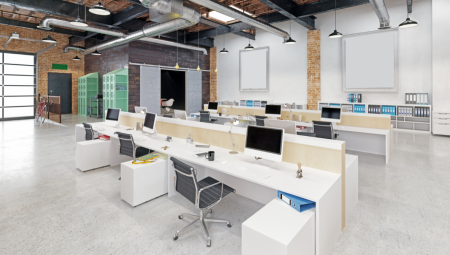
"We've all heard how the COVID-19 pandemic has emptied offices around the world and the growing belief that large-scale home work is here to stay. With this reasoning, the big city center office is disappearing," says Alex Lundie, Herbert Smith Freehills LLP, in a Lexology article. But, as with many areas, the pandemic could accelerate changes to office spaces that were already underway, giving the office building a lifeline. Smart buildings use technology to connect systems within the building to improve its 'performance', including how it meets the needs of its occupants."
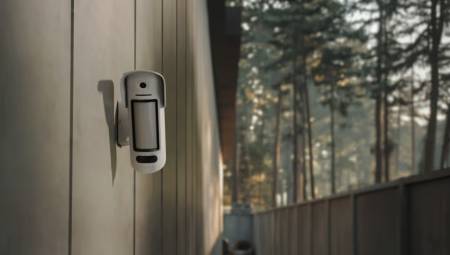
Initially, smart building technology can help meet the requirements of physical distance, sensors, and occupancy analysis. Contactless forms of human-machine interface, such as NFC, voice, and smartphone-based control, will support infection limitation strategies and create a world of new opportunities.
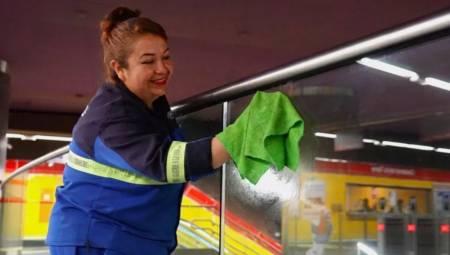
Occupant comfort in these early stages will be paramount for companies to maintain productivity, present a careful approach to health, and gain support from the many workers who are very comfortable with remote work. Buildings should be visibly cleaned, distanced and warned to occupants; To evolve and meet that need, occupancy analysis must find new ways to engage occupants in the process by providing them with the information they need to make safe decisions against a pandemic.
"From a more long-term perspective, smart buildings are set up to control and enable office use in the not-too-distant future. Where work from home continues, at least part-time, tenants will want to reduce the amount of space they rent because there will be fewer bodies in the office at any one time," says Lundie. Smart building technology can help ensure that reduced office space is used efficiently and help occupants navigate the quicksand of the shared desk environment. Monitor the use and availability of meeting rooms and desk spaces; assign or reserve a desk near colleagues; or guide users to an empty desktop, an available resource, or a lost colleague."
The current crisis has accelerated proptech innovation both in response to the new requirements of the pandemic, but which also has positive implications for building efficiency and the overall health of occupants. Indoor air quality, automatic lights, improved HVAC controls, all have found new life during the crisis and that will have an impact long after this pandemic is over.
Several building systems will have to be integrated more than ever and that integration will be there to stay, creating new opportunities for occupant-centric applications, cost savings and overall building efficiency. If we can evolve to handle a pandemic, we can thrive with our new level of capacity after the pandemic.
"Efficient use of space will be just the baseline for the office. To stand firm with working from home, the smart office will have to become a more attractive place to work. It should offer more space, greater freedom and flexibility for the occupant, and also provide a stimulating and personalized experience, and put much more emphasis on health and well-being," adds Lundie. This will be achieved through a combination of systems: automated building systems, internal sensors, users' digital devices, building services (cafes, health clubs, entertainment) and integrated applications to bring it all together."
The pandemic has hit the commercial real estate sector hard, so the evolution that the sector needs to overcome this crisis will have to be significant. After 10 years of smart building technology trying to solve every possible problem at the same time, with limited penetration, the COVID-19 pandemic seems to have given the sector the focus it needs to evolve and the platform it needs to reach almost everyone. commercial building in the world. The post-COVID smart building may even become the public health standard of the future.
Source: memoori.