
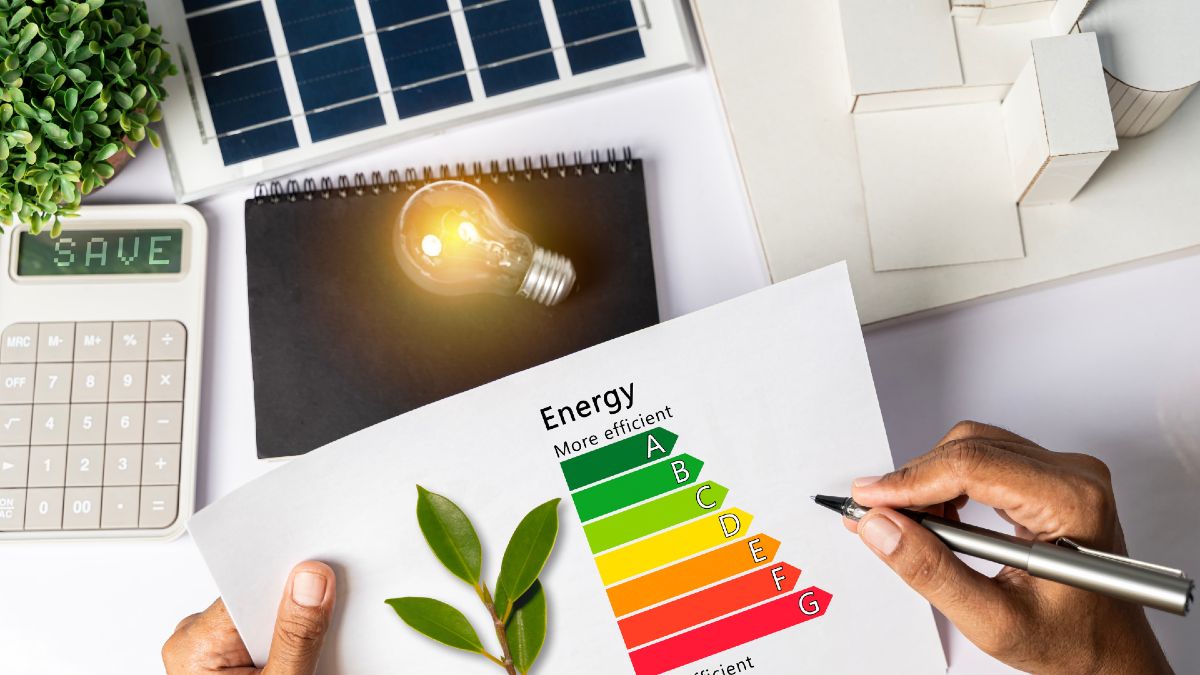
Colombia. Given the energy supply situation in Colombia, exacerbated by that of the reservoirs, which remains 14.48 points below the level reported at the end of June 2023, the urgency of accelerating the energy transition in the country is evident.
The generation of energy through water sources has traditionally been a backbone of Colombia's energy supply, but the current situation demands the actions of citizens in their daily activities, especially in large areas such as offices.
In this context, sustainability and energy efficiency emerge as fundamental pillars. These issues have gained relevance in recent years, particularly in the real estate sector, which is facing a significant transformation through the integration of advanced technologies and innovative solutions.
Taking into account the above, Colliers Colombia, examines the steps necessary for offices and business buildings to efficiently manage lighting, thus contributing to energy efficiency.
Implementation of lighting control systems:
- Migration to LED systems: Replacing traditional lighting with high-efficiency LED systems can significantly decrease energy consumption. Not only do these lights have a longer lifespan, but they also emit less heat, reducing the need for air conditioning and contributing to a greener environment.
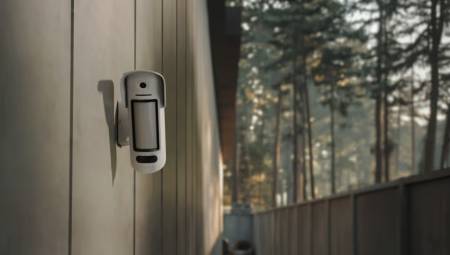
- Smart Lighting: For facades and perimeter lighting, smart lighting systems, programmable and controlled by photocells or integrated systems, can optimize energy use. These systems automatically adjust the intensity of the light according to the time of day and the presence of people, which maximizes energy efficiency and optimizes consumption.
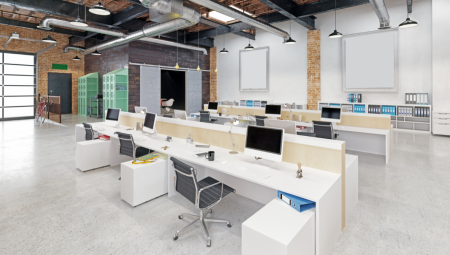
- Use of natural light: make a correct distribution of workstations near windows to make the most of natural light. This not only reduces reliance on artificial light, but also improves employee well-being and productivity. This is an aspect to consider from the acquisition of the property, its design and functionality.
- Choosing the right color temperature: Choosing the right color temperature for different areas of the office not only improves the functionality and comfort of the space, but can also have a significant impact on employee productivity and well-being. By using cool white light in intensive work areas and warm light in rest and common areas, a balanced working environment can be created that supports both efficiency and well-being.
- Maintain campaigns to raise awareness: it is essential to carry out campaigns that invite users to make efficient use of energy to maximize the benefits of the technological improvements implemented. User education and engagement are critical to the success of energy efficiency initiatives.
In addition to the above, Yudis Rivera, Director of Property Management at Colliers Colombia adds: "A great benefit of the efficient use of energy is the reduction in operating costs. Some property owners are opting for the use of intelligent or semi-intelligent lighting systems, as they generate greater attractiveness at the time of commercialization of the spaces and are configured as an important amenity for future tenants."
From implementing LED lighting systems to utilizing motion sensors and integrating automation technologies, every step is designed to maximize energy efficiency without compromising the comfort or functionality of workspaces. In a context where sustainable resource management is crucial, optimizing the use of energy within commercial spaces not only reduces consumption, but also positively impacts the productivity and well-being of occupants.