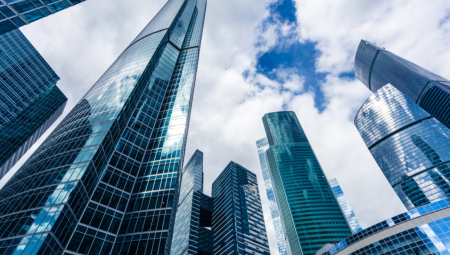

Latin America. In the face of climate change, possible energy crises and the increase in energy rates, energy rehabilitation in buildings emerges as a sustainable and environmentally friendly solution in construction. This sector, which accounts for more than 37% of global CO₂ emissions according to the UN, is adopting innovations and efficient practices to contribute to a more sustainable future.
Among these innovative solutions, the energy rehabilitation of buildings stands out as a key technique to optimize the energy efficiency of existing buildings. This approach not only seeks to reduce energy consumption and minimize environmental impact, but also to improve the comfort and quality of life of its occupants.
In this rehabilitation process, dry construction has established itself as a fundamental tool. By employing techniques such as the installation of prefabricated panels and quick assembly systems, dry construction facilitates the implementation of energy improvements in an efficient and sustainable way.
The energy rehabilitation process can include several specific measures:
1. Thermal insulation: Improve insulation in walls, ceilings, and floors to reduce heat loss in cold climates and heat ingress in hot weather. Dry construction allows for precise and fast installation of drywall and other insulation systems.
2. Ventilation systems: which consists of integrating controlled ventilation systems to optimize air exchange without compromising energy efficiency.
3. Updating windows and doors: this is done by replacing old windows and doors with high-efficiency models that offer better thermal insulation.
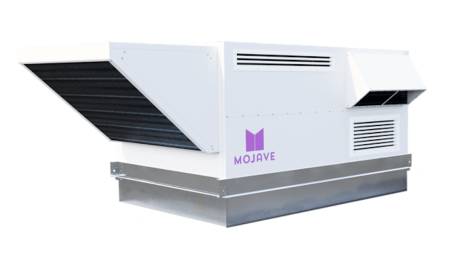
4. Efficiency in heating and cooling systems: it works by modernizing heating, ventilation, and air conditioning systems to make them more efficient.
5. Renewable energies: in which renewable energy technologies, such as solar panels, are incorporated to cover part of the building's energy needs.
Benefits of energy rehabilitation of buildings
Energy rehabilitation not only contributes to environmental sustainability, but also promotes the reduction of the carbon footprint and the optimization of the use of resources. By focusing efforts on improving existing buildings, the need for new construction is reduced, thus reducing the use of resources and the generation of waste.
In countries like Colombia, which is facing an energy crisis and high energy tariff costs, energy retrofitting offers an opportunity to revitalize buildings and reduce their energy consumption. According to Emilio Miguel Mitre, of the Green Building Council Spain, a refurbished building can save up to 60% of its energy consumption, which is especially relevant for cities on the Caribbean Coast such as Cartagena and Santa Marta, which suffer from high energy costs.
To further explore this technique, we consulted Antonio Olmos, architect with a Master's Degree in Architecture Technology and founder of Oleb Arquitectura, who is currently leading an energy rehabilitation project in Barranquilla. Olmos is implementing various multidisciplinary solutions, including some related to dry construction and evaluating their effectiveness in a comprehensive way, to improve energy efficiency in buildings. Its objective is to adapt these techniques so that they can be applied in the Colombian context, thus optimizing energy savings and benefiting the country's infrastructure.
"The energy rehabilitation of buildings in Colombia is a pillar of sustainable construction that, in addition to mitigating the environmental impact, can act as an engine of economic reactivation by allowing the savings generated by these improvements to finance the amortization of the projects," said Antonio Olmos.
According to Olmos, in the coming years it will be more important to rehabilitate existing buildings than to build new ones, since most energy consumption comes from old buildings. This is because, in the past, energy efficiency standards such as those of today were not applied, while modern buildings are already built with efficiency criteria.
Moving towards a more sustainable future in construction requires a deep understanding of the available alternatives and a firm commitment to more efficient practices. Energy rehabilitation and dry construction represent significant steps towards a greener industry, offering solutions that optimize resources and contribute to the reduction of environmental impact. Adopting these techniques not only benefits the environment, but also promotes more responsible and conscious development.