

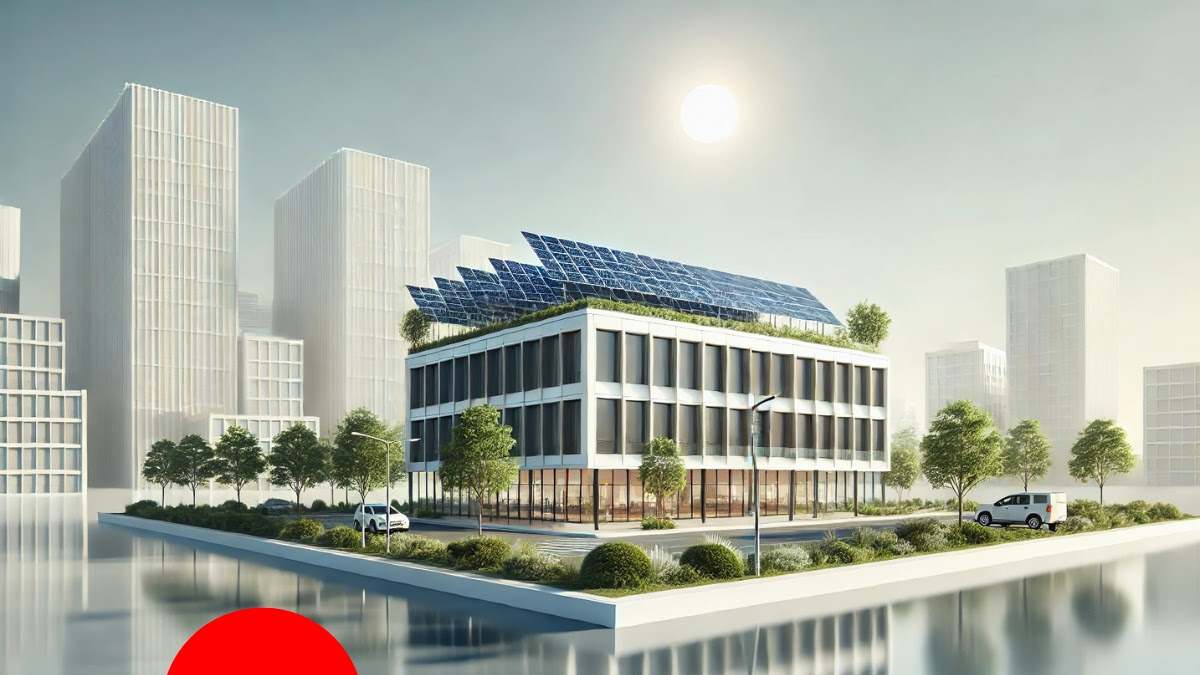
Latin America. People spend much of their time inside buildings, whether they are homes, offices, shopping malls, hospitals, or schools; Although these spaces fulfill different functions, they have in common that, in order to operate, they must keep the lights on, use air conditioning and heating systems, and operate electronic equipment, which makes them consume a significant amount of energy. This consumption highlights the importance of decarbonization and sustainability in buildings to achieve energy savings, optimize resources and reduce environmental impact.
According to the United Nations Environment Programme (UNEP), buildings are responsible for 34% of global energy demand and 37% of carbon dioxide (CO2) emissions related to energy and processes. This data gives us an idea of the impact of these constructions on the environment and emphasizes the need to adopt innovative strategies and advanced technologies to address their decarbonization.
"The decarbonization of corporate, commercial and industrial buildings is not only an environmental priority, but also a strategic opportunity for companies to comply with emerging regulations, optimize their energy efficiency and reduce operating costs," said Carlos García, general director of Trane Mexico. "These tangible benefits demonstrate that sustainability in buildings is not only feasible, but can be effectively integrated into the core of the business strategy."
A comprehensive plan for decarbonization and sustainability in buildings
With the growing urgency to reduce greenhouse gas (GHG) emissions, building managers and owners may find themselves needing to adopt clear and effective strategies to decarbonize their facilities. For the Trane Mexico executive, having a clear and proactive decarbonization plan, which integrates operations, technology and people, is essential to align with sustainability standards in buildings and take advantage of the benefits they offer. To help make it a reality, Garcia shares a simple guide to designing and executing a comprehensive decarbonization plan.
1. Assess the emissions baseline
Before designing a plan, it is critical to know the current state of the building, including identifying areas of highest energy consumption, quantifying GHG emissions from building operation, and examining historical patterns of energy consumption and resource use.
2. Define decarbonization goals and strategies
It involves setting clear, measurable, and achievable goals. For example, a 30% reduction in emissions by 2030. As well as establishing key strategies to achieve this, such as the optimization of systems, the replacement of equipment that operates with fossil fuels with hybrid or such electric options, use of renewable energies and waste management.
3. Modernize infrastructure and technology
The modernization of infrastructure and the incorporation of advanced technologies are fundamental components in the decarbonization of buildings. These improvements allow the performance of existing systems to be optimized and contribute to reducing environmental impact and operating costs.
Replacing older HVAC (air conditioning, heating, and ventilation) equipment with state-of-the-art equipment that employs advanced technologies, such as variable-speed compressors or high-efficiency fans, can dramatically reduce energy consumption. Similarly, the adoption of new systems designed to use refrigerants with low global warming potential (GWP) helps reduce environmental impact. It is also advisable to incorporate sensors and control platforms to monitor energy consumption in real time and automatically adjust the operation of HVAC equipment in order to meet the precise needs of each space, avoiding energy waste.
4. Create a phased action plan
It is important to divide the project into manageable stages. For example, in the short term (1-3 years), focus on low-cost improvements, such as operational adjustments and energy audits; in the medium term (4-7 years), dedicate yourself to the modernization of critical systems and the adoption of advanced technologies; and in the long term (8-10 years), to the complete transition to renewable energy sources and carbon neutrality. In this way, your process becomes more structured and achievable, allowing each stage to generate tangible results that strengthen the commitment to decarbonization.
5. Engage stakeholders
Collaboration is essential for the success of the plan, which is why it is necessary to include building staff, through training in sustainable and energy efficiency practices; to your suppliers, selecting partners committed to sustainability; to your tenants and occupants, informing them about the benefits of the plan and encouraging their active participation. This collaborative approach ensures a more robust and effective integration of decarbonization strategies.
6. Monitor and adjust performance
Tracking is critical to ensure continued progress, hence the importance of implementing key metrics (KPIs), such as emissions reduction, energy consumption, and operating costs. In addition, it is advisable to establish periodic reviews to adjust the plan as necessary.
HVAC systems and technology: central axis in decarbonization
HVAC (air conditioning, heating and ventilation) systems or equipment are one of the largest consumers of energy in buildings, accounting for up to 50% of total energy consumption in commercial offices*, therefore, they are at the center of this transformation. The transition to more efficient and sustainable HVAC systems reduces greenhouse gas emissions, but also impacts the profitability of companies through aspects such as energy savings. Less energy dependence means lower operating costs, while compliance with environmental regulations helps avoid penalties and improves the company's perception.
In addition, the implementation of modern HVAC technology can lead to additional benefits, such as extending the life of equipment, reducing corrective maintenance, and improving conditions for building occupants.
The most promising technologies in this area include heat pumps, equipment that provides both heating and cooling, using a fraction of the energy required by a traditional gas heating system. On the other hand, there are intelligent control systems, which use sensors and algorithms to optimize the operation of HVAC systems based on outdoor conditions and building occupancy levels.